
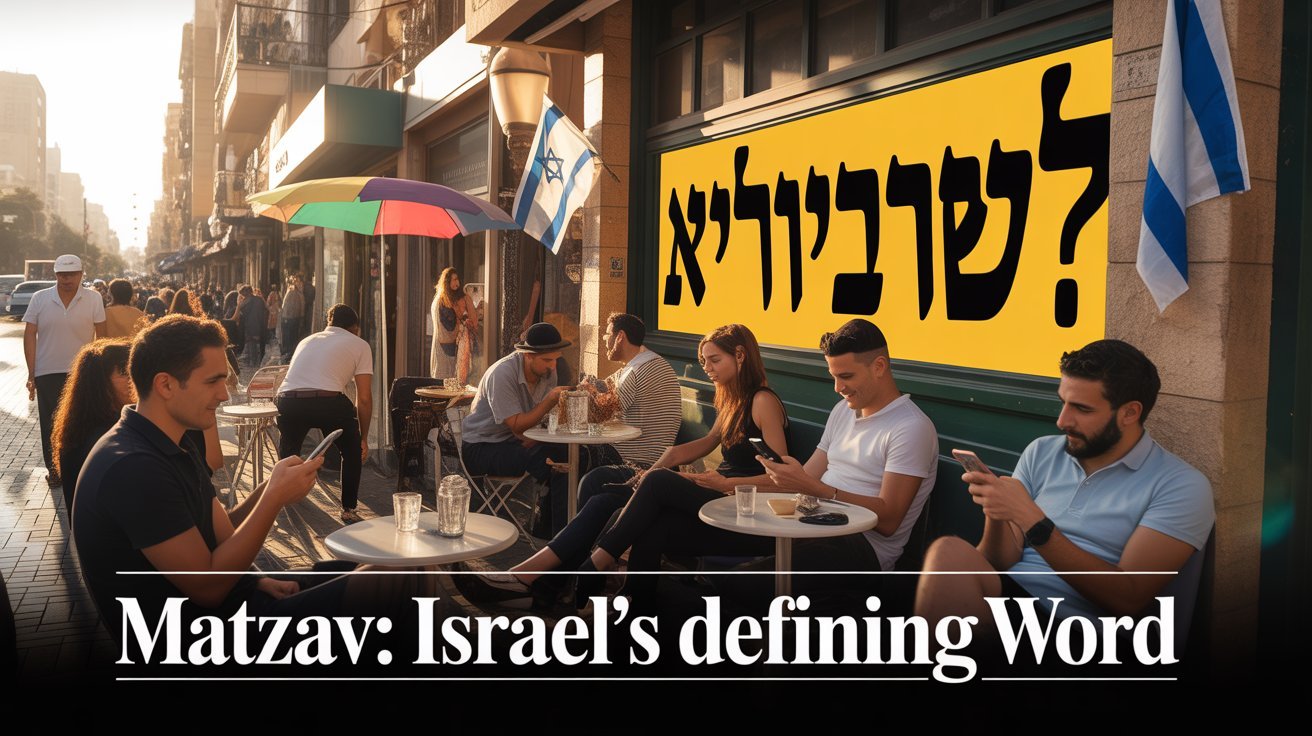
You hear the word matzav in casual conversations across Israel, and you wonder what it truly captures. Does it simply mean “situation,” or does it carry the weight of daily life under constant tension? This review digs into the heart of matzav, so you see exactly why it shapes how people think, speak, and cope every single day.
Where the Word Comes From
You open a Hebrew dictionary and find matzav listed as “state” or “condition.” Biblical roots trace back to physical posture or stance, yet modern Israelis twist it into something far richer. They ask “Ma ha-matzav?” the same way Americans say “What’s up?” You notice the tone shifts when security headlines dominate the news. Suddenly, matzav stops sounding neutral. It becomes shorthand for the entire security picture, the economy, the mood on the street, and the unspoken worries parents carry when kids ride the bus. You realize one short word now packs decades of history into three syllables.
Daily Life Through the Lens of Matzav
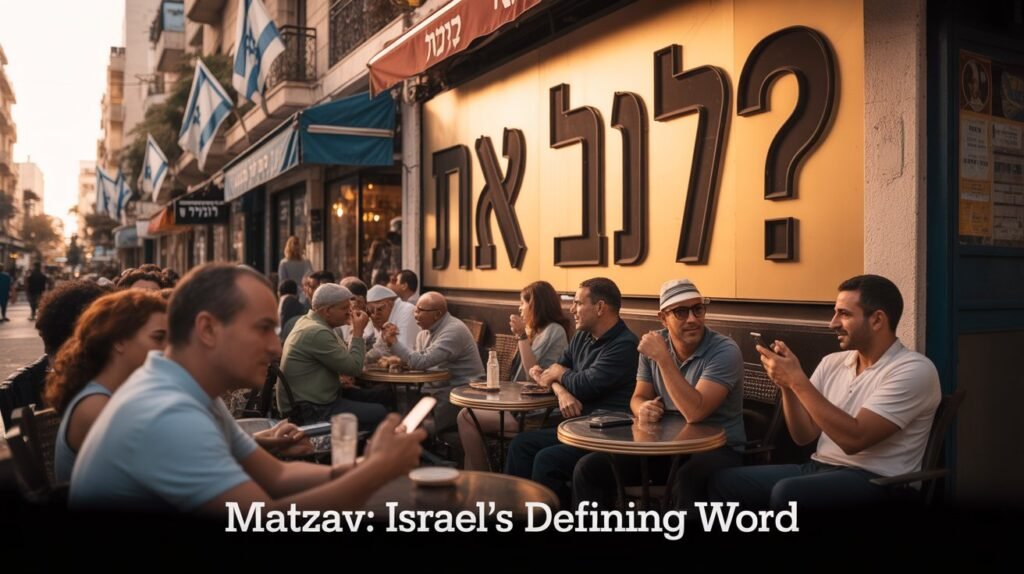
Picture yourself in a Tel Aviv café. Friends lean in and sigh, “The matzav is heavy today.” You watch them check phones for alerts, adjust plans around possible traffic jams at checkpoints, and still order another round of coffee. The matzav never halts life completely. It simply colors every choice. You see mothers packing extra snacks in school bags just in case a lockdown extends the day. You notice drivers keep their gas tanks fuller than usual because who knows when the next siren will sound. Yet you also spot smiles, weddings, and beach days that prove resilience wins. The matzav tests people, but it never breaks their spirit. You admire how Israelis fold caution into normal routines without letting fear take the wheel.
The Emotional Weight You Feel
Have you ever sensed a whole nation holding its breath? That quiet tension defines the matzav. You read opinion columns that call it a “no-win situation” with no easy fix. Families discuss reserve duty rotations the way others chat about weekend plans. You hear grandparents share stories from past conflicts and remind younger generations that the matzav has improved before and can improve again. This shared vocabulary builds community. You feel connected even when you disagree on politics. The matzav turns strangers into allies who understand the same unspoken load. Experts who study Israeli society confirm that this single term fosters empathy faster than any policy speech ever could.
Matzav in Media and Culture
Flip on Israeli television, and you catch comedy sketches that roast the matzav with sharp humor. Shows like Matzav Ha’Uma turn serious headlines into laughter because sometimes the only way to survive is to joke about it. You scroll through news sites such as Matzav.com and see headlines that blend Torah insights with breaking updates from the front lines. The matzav appears everywhere—podcasts, songs, even bumper stickers. You notice how the word evolves. During quiet months, it shrinks back to “how’s the weather?” During spikes in tension, it swells into a national conversation. This flexibility keeps the term alive and relevant no matter what the calendar brings.
Eco-Friendly Choices Born from the Matzav
You might not expect green living to link with the matzav, yet it does. When uncertainty rules the roads, Israelis choose bikes and buses more often to cut fuel use and stay flexible. Local farms gain popularity because short supply chains feel safer during the matzav. You see community gardens sprout in cities as families grow their own vegetables and reduce reliance on distant deliveries. Solar panels top more rooftops because energy independence matters when the matzav disrupts normal grids. These small eco shifts prove that awareness of the bigger picture inspires smarter, cleaner habits. You discover that caring about tomorrow’s matzav naturally leads to protecting the planet today.
Why the Matzav Matters to You
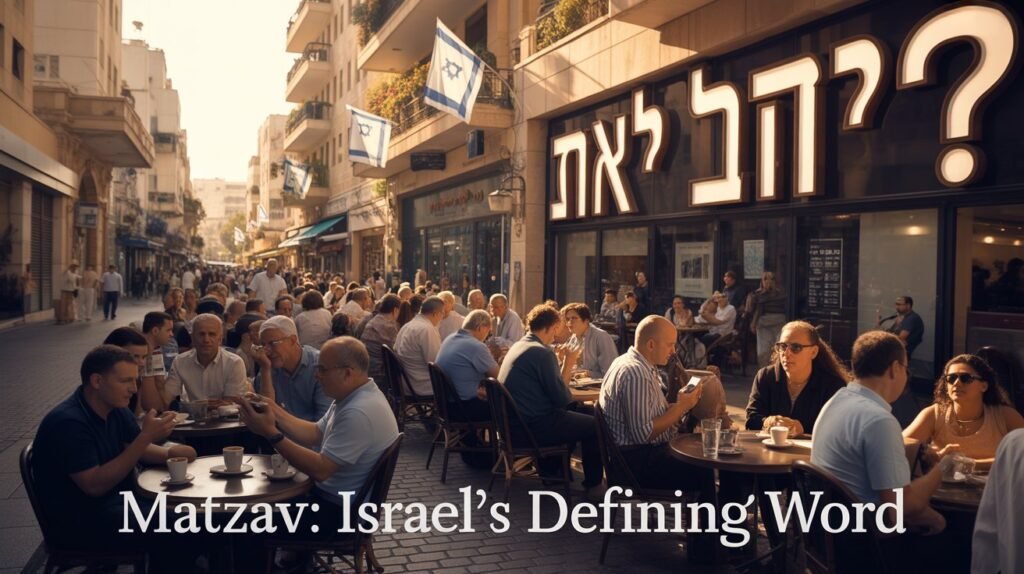
Do you live outside Israel but follow the news? Then the matzav still touches your world. Global markets react to shifts in the region. Travel plans change when alerts rise. You gain deeper insight when you understand how Israelis frame their reality with this one word. It teaches you that resilience looks different in different places. You learn to ask better questions about complex conflicts instead of settling for sound bites. The matzav invites you to move beyond headlines and consider the human stories behind them. Experts who track language trends call it a master class in cultural shorthand. You walk away smarter and more empathetic after grasping its power.
The Hope That Shines Through
You finish reading and realize the matzav is not just a burden. It also sparks innovation, unity, and quiet acts of kindness. Neighbors check on each other faster when the matzav heats up. Charities ramp up support for families in need. Young entrepreneurs launch apps that help people navigate the matzav with real-time safety info and eco-friendly route suggestions. You see progress in every generation that refuses to let the situation define their future. The matzav challenges everyone, yet it also reveals incredible strength. You close the page feeling informed, inspired, and ready to view Israel’s story with fresh eyes.
This review shows you that matzav is far more than vocabulary. It captures a nation’s heartbeat, its worries, its jokes, and its unbreakable will to thrive. Next time you hear the word, you smile because you finally get it. The matzav keeps changing, but the people facing it stay remarkably steady. That truth makes the whole conversation worth your time.
About the Author